

The Handcrafted Tradition in Ceramic Tiles
By Joseph A. Taylor
Today, more often than not, ceramic tiles are regarded as functional objects. We use them in our kitchens and bathrooms, on various floors throughout our homes, for very practical reasons: their durability and ease of maintenance.
Characterized by size, shape, color and design, tiles nonetheless possess a particular beauty which, although a consideration, is often of secondary importance. Historically, however, this has not always been the case. Although the function of a tile has been significant, aesthetics have played a major role.
With little imagination we can envision ancient women and men forming their first tile out of moist earth, allowing it to dry in the sun, for later use as a paving material or building block. With the clay surface, especially when wet, being so susceptible to accidental markings, it seems natural that tiles became an early medium for communication and artistic expression. From excavations in various parts of the world, archaeologists are continuing to find bits and pieces of both pottery and tiles dating back thousands of years.

Just how long fired tiles have been produced or just where the first tiles were installed are questions that may never be answered. Throughout the history of civilization, however, there have been periods when tiles have emerged and flourished primarily as a decorative medium, influenced by social, political and economic forces as well as by the technology at hand.
Numerous palaces and public buildings of the ancient world were adorned with decorative tiles including the Assyrian Palace of Sargon at Khorsabad in northern Mesopotamia (722- 705 B.C.), the imposing Ishtar Gate built for Nebuchadnezzar II in Babylon (604-562 B.C.) and the palaces of King Darius at Susa and Persepolis in ancient Persia (521-486 B.C.).
Through the millenniums numerous factors influenced the development and proliferation of decorative tiles. Movement along major trade routes, both on land and by sea, encouraged the exchange of ideas and materials especially where these routes intersected. Similarly, wars, political unrest and religious fervor all played a part in the blending of cultures and the subsequent artistic output in any given part of the world.
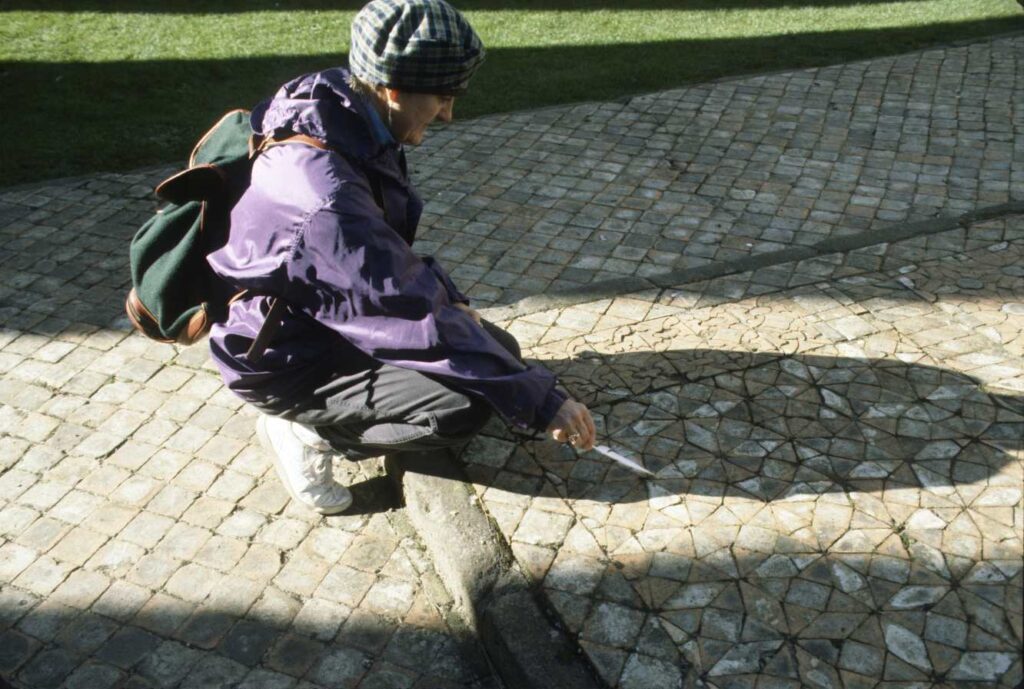
It is safe to assume that from ancient times skilled craftsmen, both tile makers and installers among them, were respected members of many societies. Artisans were employed by the ruling governments and would travel to the centers of commerce and wealth to practice their skills. Over time there was an evolution of technique from the laborious mosaic work of the early Persian craftsmen who skillfully broke up pieces of glazed tile into standardized symbolic shapes to create a larger design. A new technique greatly simplified the process while maintaining a similar aesthetic effect. Later referred to as cuerda seca, a linear pattern was painted onto the surface of a tile with a substance designed to resist the application of glaze. As the glazes were applied, the line served as a barrier between the colors.
When the Islamic warriors, for example, overran the territories of the Near and Middle East beginning in the seventh century, the leaders were irresistibly attracted to the artistic accomplishments of the peoples they conquered. They adopted a keen appreciation for color and design which they soon carried with them into Turkey, across North Africa and eventually into Spain.
Today, in the Alhambra, the fortress built by the Moors in Granada beginning in the second half of the 13th century, provides endless numbers of colorful cuerda seca tiles. Slightly later, the cuenca technique evolved with similar effect, a separation of glaze colors by raised ridges formed from the pressing of clay into incised molds.
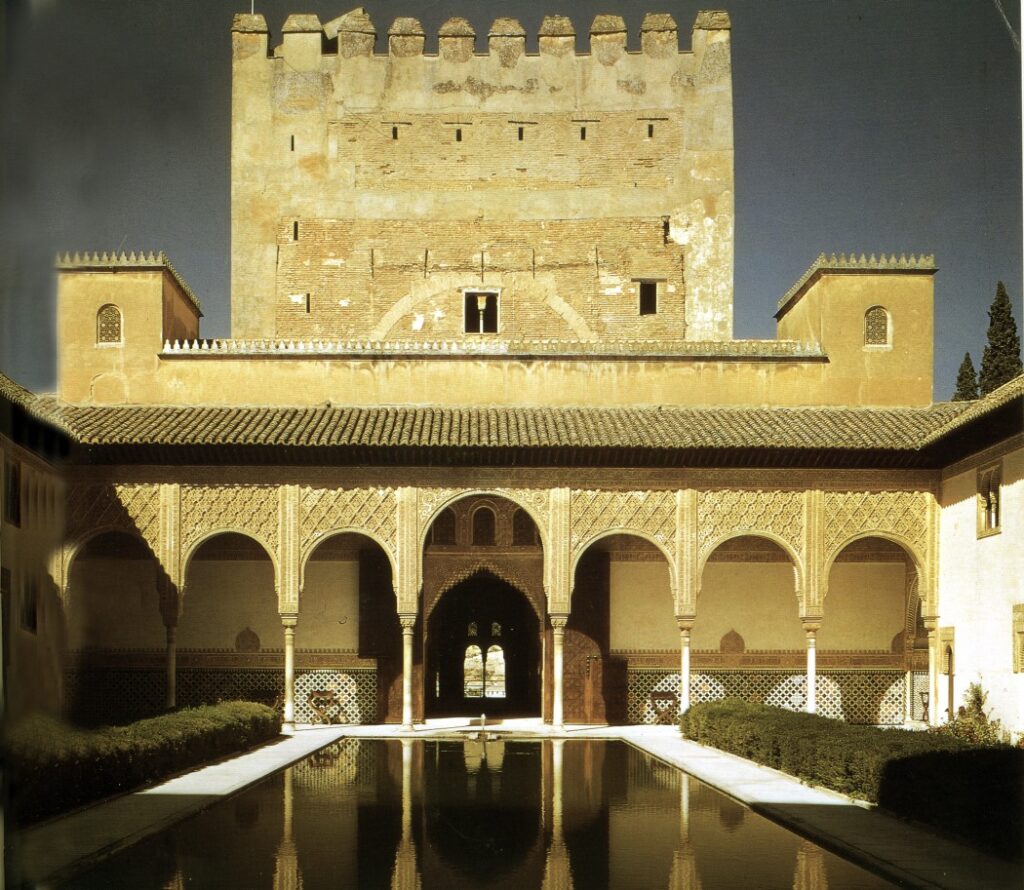
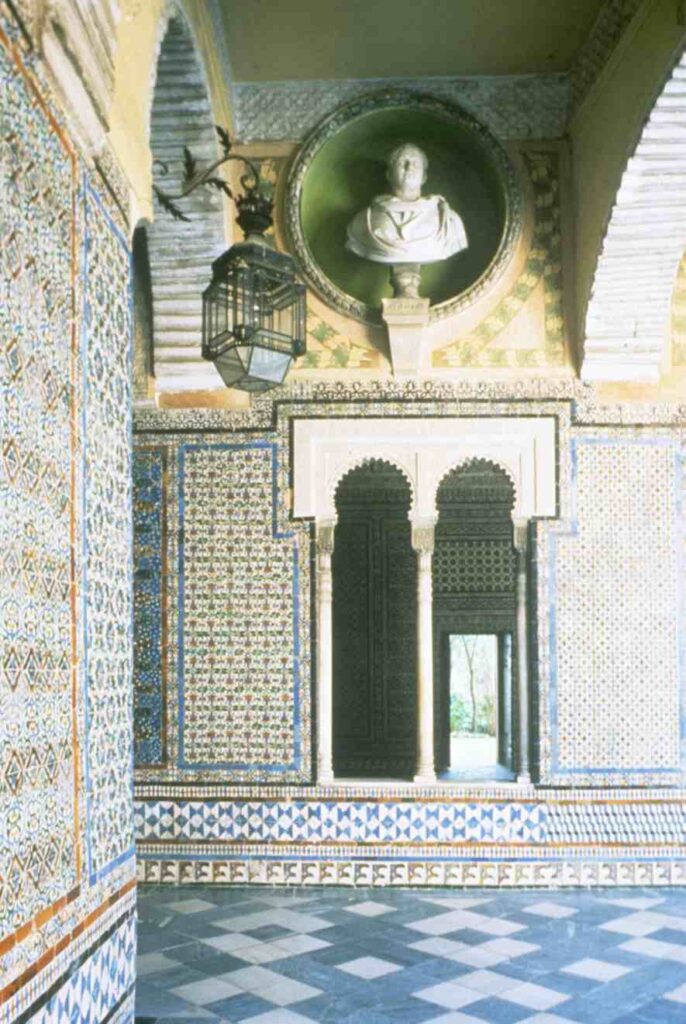
Although a myriad of architectural masterpieces has been lost or relegated (in part) to museums for safekeeping, many examples of magnificent tilework still exist in situ throughout the world. Some of the most breathtaking in both color and design are located in present day Iran like the Royal Palace of Shah Addas I (1587-1628) in Isfahan as well as the spectacular mosques and mausoleums in that city. There is also the Blue Mosque in Istanbul designed by Mohammed Aga for Sultan Ahmet I, built between 1609 and 1616. This high degree of ceramic splendor had yet to be surpassed.

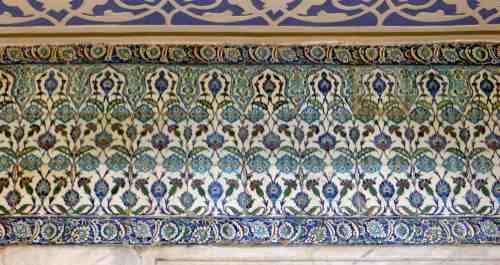
The introduction of Chinese porcelains into Persia and the West during the Tang Dynasty (618-906 A.D.) had far-reaching effects as artisans endeavored for centuries thereafter to reproduce this exotic ware from local materials. The Persians developed a white tin glaze to mask their red clays; brightly colored designs could then be successfully applied to the white surface. Revived by the tile makers in Spain in the 11th century, tin glazed ware was called maiolica by the Italians as it came to them via the island of Majorca in the Mediterranean. The Dutch craftsmen developed their own version beginning in the early 16th century which later became known as "delft," after one of the towns in Holland where the tiles were made. The English soon produced their own which was virtually identical in appearance to the Dutch. Many of these blue and white tiles depicted the fashions, games, myths and stories popular at the time, supplying us today with an important historic record.

Handcrafted tiles, crude in appearance with incised or raised designs and often in a variety of shapes and sizes, were made at Christian monasteries to decorate the floors of churches and abbeys throughout western Europe and in the British Isles dating from the 12th century Abbey. The tiles were earthy in appearance, either glazed in darker tones or left unglazed, and were frequently arranged in geometric patterns not unlike the earlier Roman mosaic floors from which they were likely derived. Inlaid tiles soon followed, where the design pressed into the tile was filled with a contrasting clay color. These tiles may be found in England at King's Chapel at Clarendon Palace and at Winchester Abbey, both dating from the 13th century. The demise of the monasteries in England under the rule of King Henry VIII in the early 16th century resulted in the abandonment of inlaid tile production for the next 300 years.

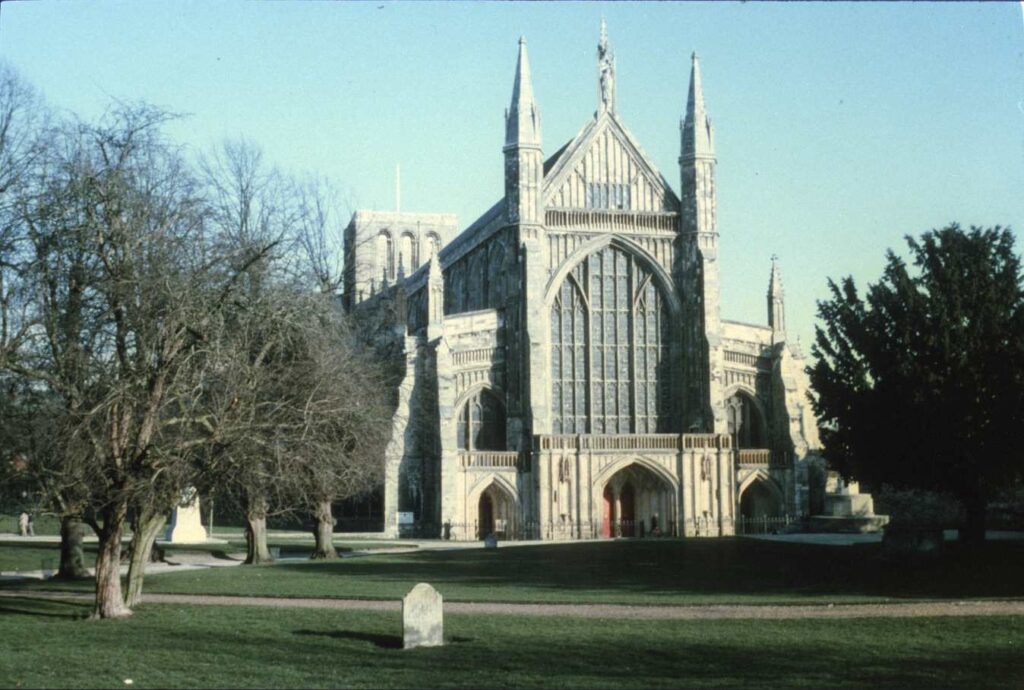
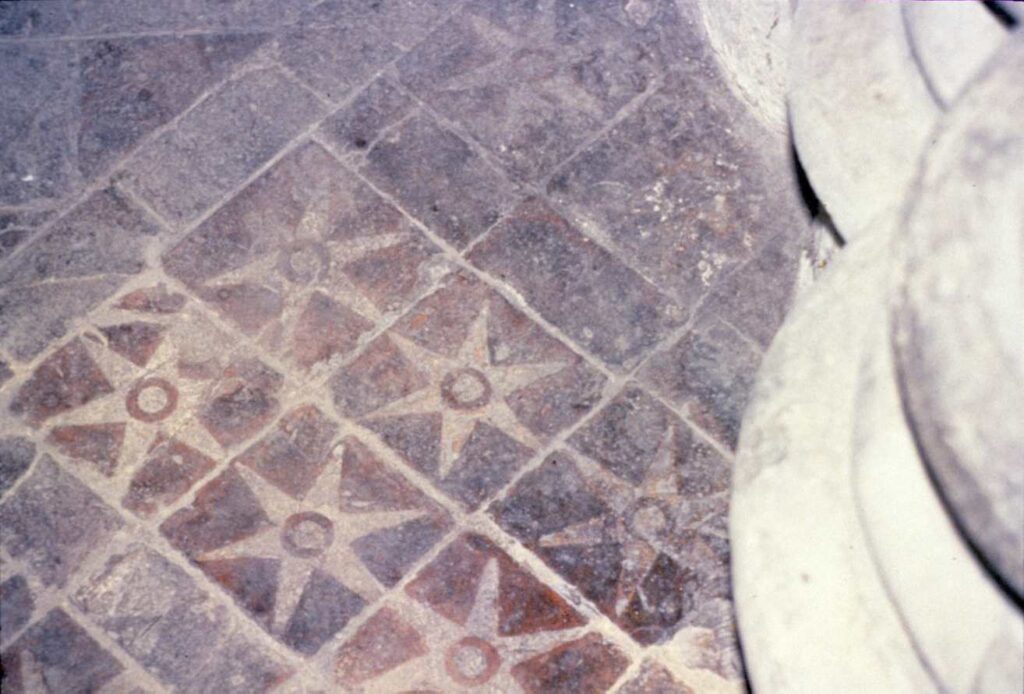
By the middle of the 17th century tile making in Europe had become a full fledged commercial enterprise, spurred on by a growing population, an evolving middle-class and international trade. With the increased awareness of the value of sanitized surfaces, tiles were being used with greater frequency and imagination in the home. They were also being exported from every country that made them, and the artisans were moving more freely about the Continent adopting their skills to local materials and customs. The Dutch East India Company and other international traders were transporting tiles to the colonies and to other parts of the world, frequently using them as ballast on ships leaving Europe.
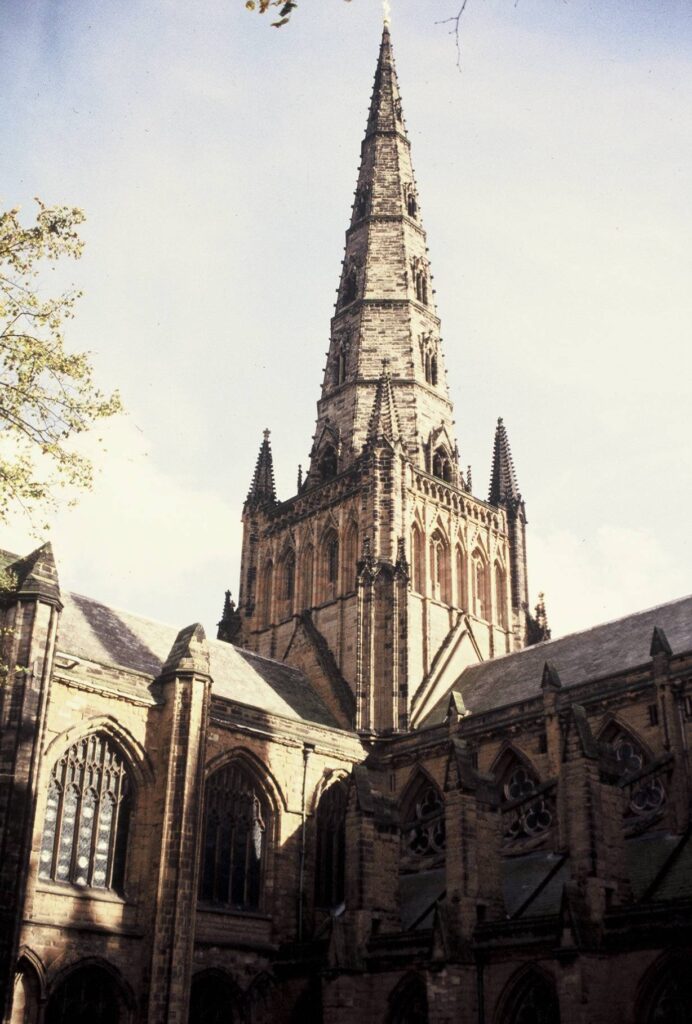
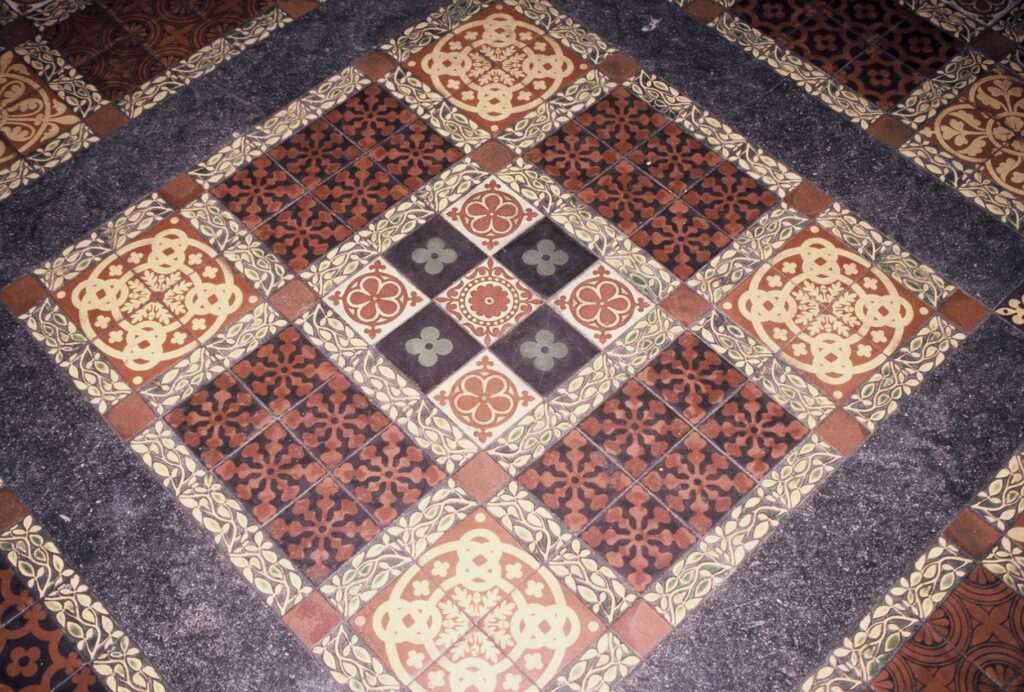
By the early 19th century, the Industrial Revolution had taken hold in much of western Europe and Great Britain. Herbert Minton (1793-1858), born into a family of highly regarded ceramists, championed the cause to bring back inlaid tiles for the restoration of the medieval abbeys, churches, and cathedrals in England. He bought shares in two important patents, the first in 1830 to manufacture inlaid tiles and the second in 1840 to produce buttons from clay dust, as he foresaw the means of making tiles with this process. Dubbed "encaustic" at the time, these new inlaid floor tiles became exceedingly popular throughout the Commonwealth and in the United States.

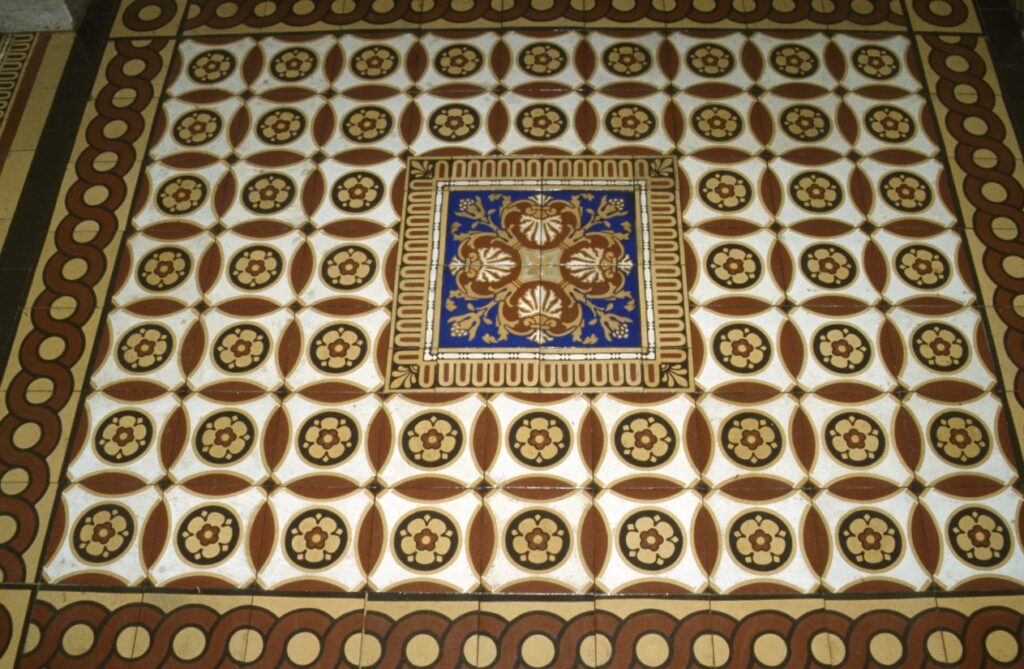
When the Europeans first arrived on the North American continent, there was no evidence of a tile making tradition. In the Northeast and along the eastern seaboard, especially in the emerging metropolitan areas, many of the immigrants who built homes continued to look to England and the Continent for their tiles. As a result, tile importing companies were established in all of the major coastal cities. As was the custom across the Atlantic, tiles were commonly used to decorate mantels and hearths, as fireplaces were the focal point in any room.
Beginning in the 1850s, geometric arrangements of unglazed tiles in various colors together with the multi-colored encaustics made by Minton became the preferred floor covering for domestic and commercial entry ways as well as for the grand hallways of public buildings, including the United States Capitol.
Emerging from the period of reconstruction following the Civil War, people in the United States could focus more of their attention on domestic matters. A reflection of one's good taste and social status, tiles were considered a virtual necessity in any fashionable home. A major turning point occurred in 1876 with the Centennial Exposition in Philadelphia where European manufacturers put on an impressive display of both pottery and tiles. From that time forward, American craftsmen and entrepreneurs embraced the challenge, and tile production took hold. Within a few years manufactories had sprung up in Massachusetts, New York, New Jersey, Pennsylvania, Ohio and Indiana, frequently using both European technology and personnel.
The first decorative tiles in the United States were called "art tiles" and reflected the aesthetics and manufacturing methods prevalent in the British Isles and on the Continent. Produced primarily as ornamentation, these were for the most part relief tiles, frequently depicting natural scenes or classical motifs, produced from clay dust in bulky screw presses and colored in glossy, translucent glazes over a white clay body. The machinery used in making these early tiles was rudimentary; a great deal of handwork was involved. The presses were manually operated; much of the finishing work and glazing was done by hand; and, most notably, each decorative tile had to be initially modeled in clay by an experienced artist-craftsman before it went into production.


An early center of tile making was Chelsea, Massachusetts, just north of Boston, where members of the Robertson family from Scotland gathered in the late 1860s and soon established the Chelsea Keramic Art Works. James, the father, was a second-generation potter; his three sons, Alexander, Hugh and George, would each eventually establish a pottery of his own, adding greatly to the ceramic tradition in America.
John Gardner Low (1835-1907) was apprenticed at the Art Works interrupting his uncertain career as a landscape painter. Following his exposure to the Exposition in Philadelphia and prompted by his father's financial backing, Low founded the J. & J.G. Low Art Tile Works, which produced award-winning tiles known for their innovative designs. His "natural process" tiles, for example, were made by pressing grasses, leaves and other organic matter into the soft clay surface before firing. Low employed Arthur Osborne, an Englishman, as his chief modeler, and he designed many of the Low fireplace tiles as well as "plastic sketches," large rectangular ceramic plaques used for wall decoration.


Isaac Broome (1835-1922), a French Canadian by birth, became one of the finest portrait tile modelers in the United States. He had an established career as an artist and sculptor while at Ott and Brewer in Trenton, New Jersey. A prolific and talented designer, he later joined the Trent Tile Company in 1883, then in '86 joined the newly formed Providential Tile Works, both in Trenton, and then four years later moved to western Pennsylvania to work at the Beaver Falls Art Tile Company. Unlike today when a company owns the production of its employees, Broome took full advantage of his diverse employment and modeled identical tiles for each of these companies.

Zanesville, Ohio, became a major site for tile manufacturing. The American Encaustic Tiling Company got underway in 1876 producing unglazed geometric floor tiles at a price slightly less than the English equivalents. Over its nearly 60 years of production, the company produced virtually every type of tile imaginable and grew to be the largest tile company in the world. Herman Mueller (1854-1941), a German-born artist-sculptor, who was hired in 1887, expanded the product line to include art tiles of the highest quality.
In a short time, Mueller devised a new method for producing faux encaustic floor tiles. In 1894 together with chemist Karl Langenbeck, he left American Encaustic to form Mosaic Tile Co., also in Zanesville, which would soon become another giant of the industry. By the tum of the century, both men had become frustrated by the commercial orientation of the company and left in 1903, Mueller to found his own company, Mueller Mosaic, in Trenton.

The emergence of handcrafted decorative tiles in the U.S. beginning in the late-1890s represented a rebellion against the conventional aesthetics of the Victorian era when tiles were viewed as mere ornaments, symbols of refined taste. The commercialization of both the product and the process as well as the impersonalized workplace left little room for the artist or craftsman. Although tiles were becoming less expensive and more commonly used, most were mass-produced and lacked aesthetic appeal.
By the turn of the century, partially inspired by the Arts and Crafts movement in England, there was a growing appreciation of individual craftsmanship in America. Rather than being manufactured as ornamental objects to serve some useful purpose once installed, individual tiles became an artistic medium, a means of self-expression for the craftsman. Subject matter was simplified; glossy translucent glazes were replaced with matte finishes. The way a tile was produced had become an essential part of the way it looked; the handcrafted qualities were clearly visible and intentional.

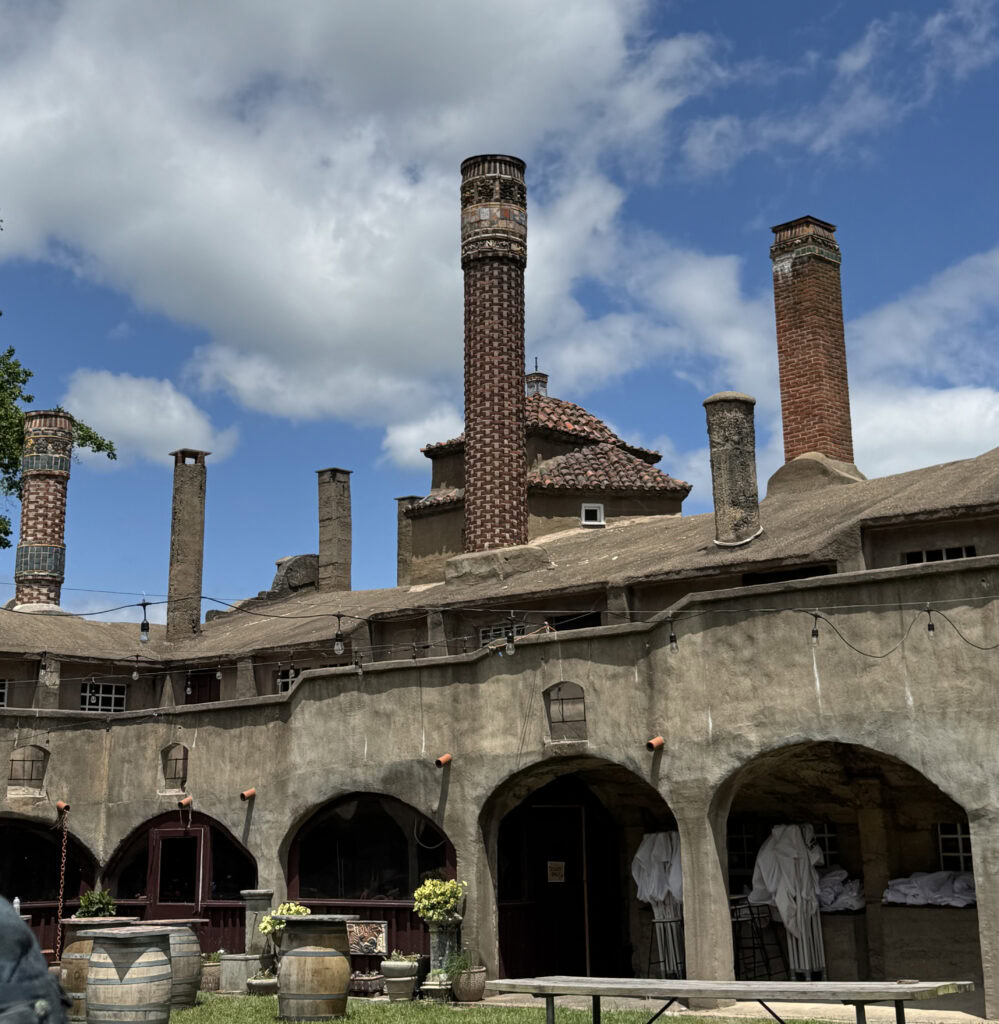
Henry Chapman Mercer (1856-1930) was instrumental in bringing about these substantive changes, in redirecting what had been primarily a functional focus to an artistic one, and his influence was so pervasive as to stretch from coast to coast. Born into a wealthy family in Doylestown, Pennsylvania, he studied law at Harvard and traveled to Europe as a young man. In 1898 he abandoned his active career as an archaeologist to take up tile making, initially in small outbuildings in his backyard. He named his enterprise the Moravian Pottery and Tile Works after the German-born stove plate makers who had settled nearby over a century before. In fact, some of Mercer's earliest tiles were taken from stove plate designs.
Far from a manufacturing facility, the tile works was more of an artisan's studio where each tile was individually modeled by hand, from which a plaster mold would be made. Multiple tiles were then produced by hand-pressing soft clay into the mold. Mercer's designs were simple and straightforward, often based on historic subjects dating back to medieval times. Although he produced tiles for domestic use, especially for fireplace surrounds, he was also involved in a number of large commercial projects. An early commission in 1903 was providing the floor tile for the State Capitol in Harrisburg, Pennsylvania, where approximately 400 mosaic murals depicting the history of the state were installed as decorative inserts.


There were others, contemporaries of Mercer's, who similarly espoused Arts and Crafts' principles and who were strongly influenced by the tile maker from Doylestown. Among the most well-known was William Grueby (1867-1925), a tile pioneer from Boston, who apprenticed at the Low Art Tile Works for several years before branching out on his own.
He formed the Grueby Faience Company in 1894, and by the tum of the century his matte green glaze was emulated by many of the established potteries. The simplicity of many of Grueby's designs, especially those that were custom made for a particular installation, lent themselves to tube-line decoration where, the outline of the design was formed by a ridge of clay, hand-applied to the surface of the tile to separate the contrasting glaze colors. In 1907, Grueby was commissioned to produce thirty-six panels for the interior of the new DL& W Railway station in Scranton, Pennsylvania, depicting specific scenes along the railroad, each a masterpiece of American ceramic art.

The Rookwood Pottery, founded in Cincinnati, Ohio, by Maria Longworth Nichols in 1880, began producing tile and other architectural products in 1902. Noted for its high relief and waxy matte glaze treatments, Rookwood tile found its way into numerous prestigious installations, both in commercial buildings and in upscale private homes. Often entire rooms, from floor to ceiling, would be tiled, each piece custom-made for that particular installation.

The most spectacular examples included the Della Robbia Room in New York City's Vanderbilt Hotel, the Norse Room in Pittsburgh's Fort Pitt Hotel [both demolished] and the Rathskeller Room in the Seelbach Hotel in Louisville, Kentucky.
In 1896, Mary Chase Perry (1867-1961) was engaged by Horace Caulkins, owner of a dental supply company in Detroit, to promote his Revelation Kiln to the clay community.

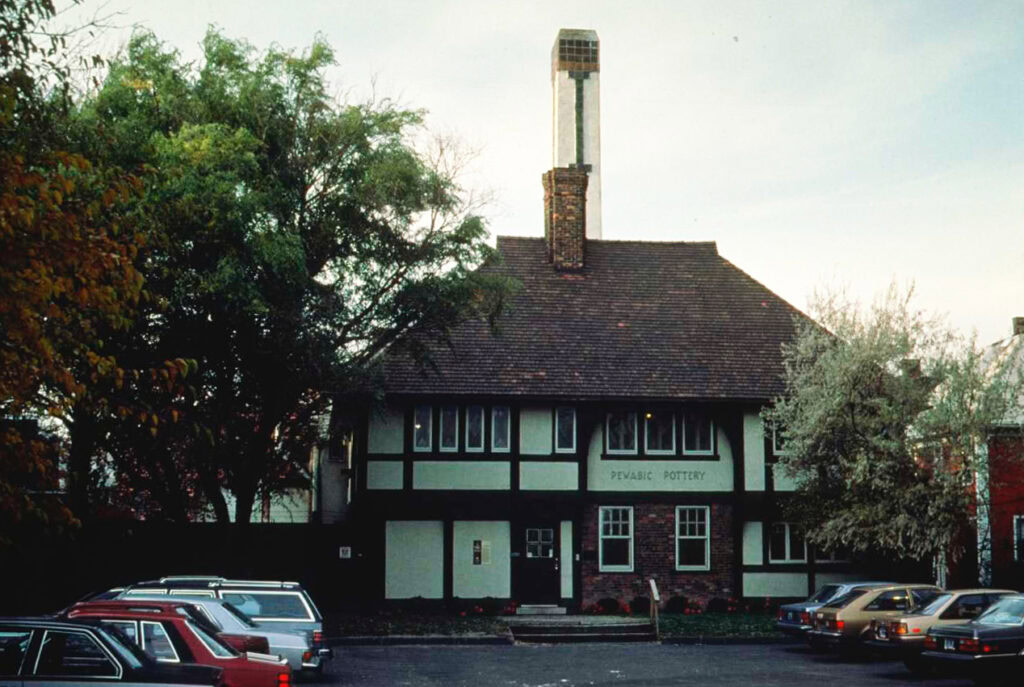
The kiln which had already become popular among dentists had obvious potential in the ceramics field, and Perry traveled throughout the northeastern states demonstrating its key features. The kiln was a commercial triumph and not without rewards for Miss Perry. Together with Caulkins, she founded the Pewabic Pottery in 1903, named after the Pewabic Mine in Hancock, Michigan, where she was born. Both pottery and tiles were produced at Pewabic from the beginning.

Akin to Mercer's in many ways, the tiles clearly, intentionally, demonstrated the creativity of the artist. Perry became most well known for her glazes, specifically the iridescent blues and purples, and she was commissioned by the most respected architects for many commercial jobs both in and beyond Detroit.

In addition to numerous schools, libraries and museums, Pewabic tiles are found in many churches, the most arresting of which is the National Shrine of the Immaculate Conception in Washington, D.C., tiled between 1924 and 1931.
The popularity of machine-made art tiles had diminished by the tum of the century and had all but disappeared by 1910. By this time handcrafted tiles, or those made by machine to appear handmade, dominated the market. Throughout the 191Os and '20s, tiles were used with increasing imagination to decorate the walls and floors of various rooms in the home, even the patios, walkways and gardens outside. Tiles in contrasting colors and in varying shapes and sizes were used in the same installation, often with striking results. Decorative liners and mural work became commonplace in the more expensive homes. Bright colors and geometric patterns were particularly popular throughout the southern and western states. By the mid-l 920s, in many areas, ceramic tiles were more than a symbol of good taste; tiles had become an integral part of most new homes.
The production of decorative tiles in California lagged behind the rest of the country primarily because adequate quantities were available from the eastern manufactories to meet the demand. However, following the turn of the century the population began to mushroom in the major urban areas. Although some tiles were made in the state as early as 1900, it was ten years later before a unique tile making tradition was established there.
Ernest Batchelder (1875-1957), born and educated in the East, came to California in 1901 to teach design at Throop Polytechnic Institute in Pasadena. After two enlightening trips to Europe, he abandoned his successful teaching career in 1910 and began making tiles in his backyard.

The likely source of Batchelder's inspiration is evident in the tiles he chose for his own home. Embedded in the chimney outside, on the front door, and adjacent to his own on the fireplace mantel inside, are Moravian tiles made by Henry Chapman Mercer.
Characteristically, Batchelder tiles were hand pressed from plaster molds and colored with clay slips rather than glazes. He integrated the clay body into the overall aesthetic of each tile by partially rubbing off the colorant, exposing the clay underneath, and thus leaving a mottled effect on the surface.

Both the material used and the process of production became an integral part of the aesthetic. Like Mercer, Batchelder was drawn to medieval imagery, yet many of his tiles include features of the California landscape as well.
By 1912 Batchelder had outgrown his backyard and established a small factory in Pasadena. Eight years later, he moved again, this time to a much larger facility just north of downtown Los Angeles where he employed up to 175 people at the height of his production in the mid-'20s, exhibiting his tiles in most of the major cities in the U.S.

Besides innumerable residential fireplace mantels, three of his largest commissions were the lobby of the Fine Arts Building in downtown Los Angeles (1925); the Chapel of our Lady of Victory at Saint Catherine's College in St. Paul, Minnesota (1923); and the lobby of the Marine Building in Vancouver, British Columbia (1929), all extant.
The earthy, handcrafted appearance of Batchelder 's tiles had a broad appeal, and this type of low relief design attracted the attention of a handful of other talented ceramists and businessmen who wished to capitalize on his success. Among these was Fred Robertson (1869-1952), the grandson of the founder of the Chelsea Keramic Art Works two generations earlier, who became the superintendent at Claycraft Potteries in Los Angeles in 1921.

The manufacturing process and overall aesthetic of Claycraft tiles was similar to Batchelder's, but a unique feature of these tiles was the depiction of specific scenes along the California coast or the sublime landscapes of Yosemite National Park.

Primarily designed as inserts for fireplace mantels, others featured romanticized views of the California missions and quaint settings from the early days of Spanish occupation. The detail and subtle coloration involved in each Claycraft design were truly remarkable.

Back in 1911 when Batchelder was grappling with clay in his backyard in Pasadena, a tile company of profound importance was getting underway in National City, just south of San Diego. California China Products Company was founded by Walter Nordhoff (1858-1937), a journalist-rancher-turned entrepreneur, who was commissioned to provide the tile for both the new Santa Fe railroad depot in San Diego and for the California Building at Balboa Park for the Panama-California International Exposition in 1915. The bright colors and geometric patterns on the tiles, extraordinary in their brilliance and craftsmanship, were a perfect complement to the Spanish Colonial architecture, reflecting the romanticized traditions of Mexico and Spain.

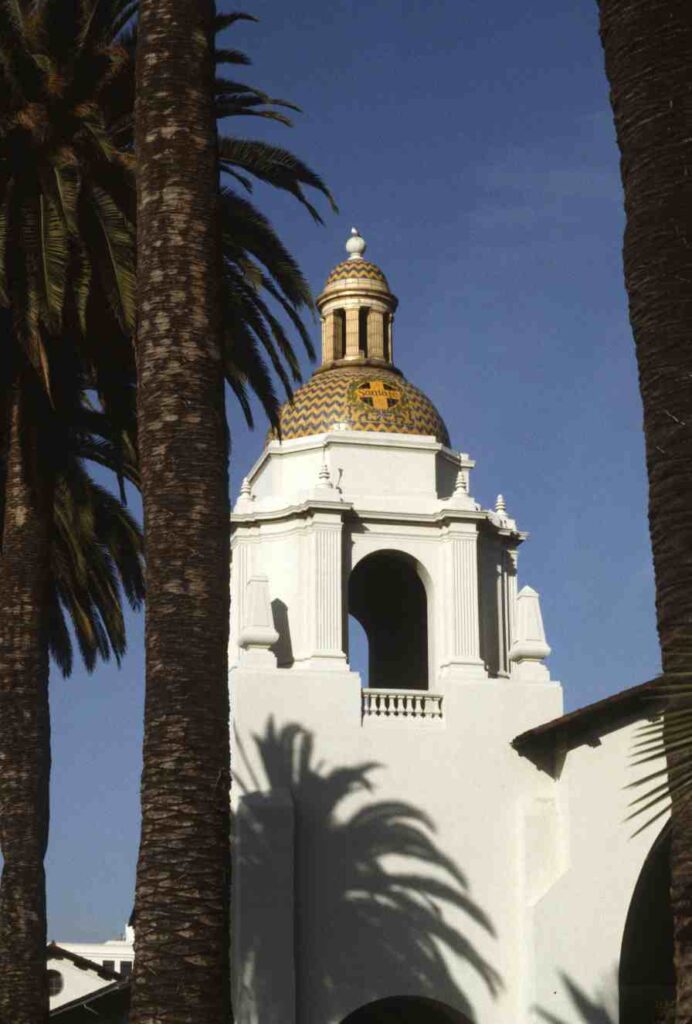
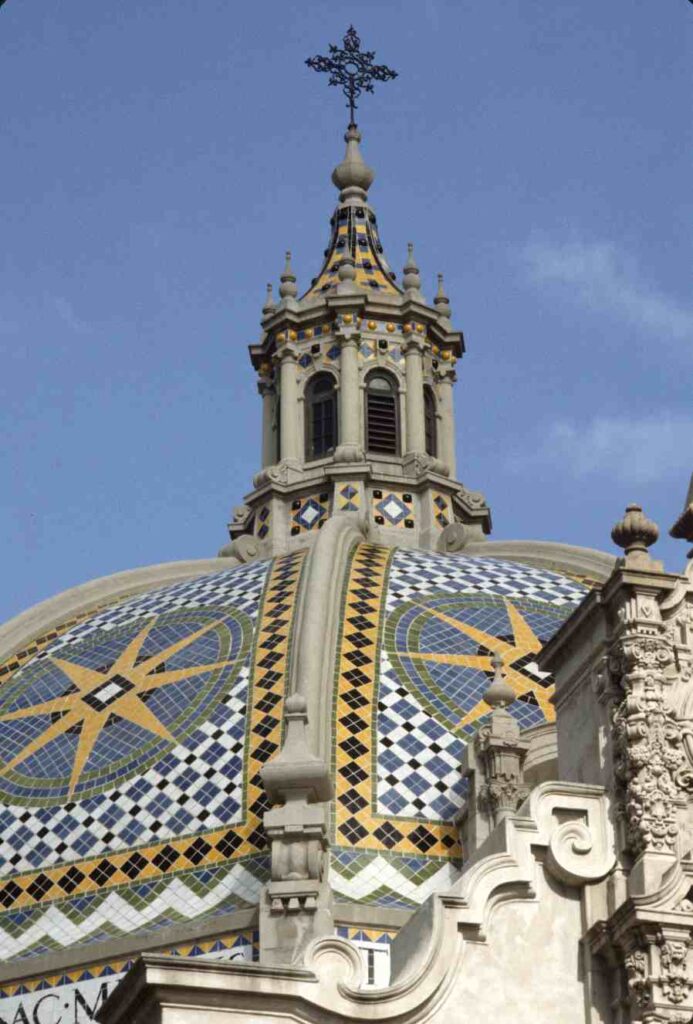
Were these brightly colored tiles produced only for the Exposition, they could easily be dismissed as an aberration. But what began in National City became extremely popular throughout California and throughout the southern states, dominating both architecture and interior design for the next twenty years.


Rufus B. Keeler (1885-1934) was a major player in the manufacturing of decorative tiles in southern California.After having worked for a number of clay product companies in the state, Keeler started his own business in 1917, handcrafting tiles for fireplace surrounds.


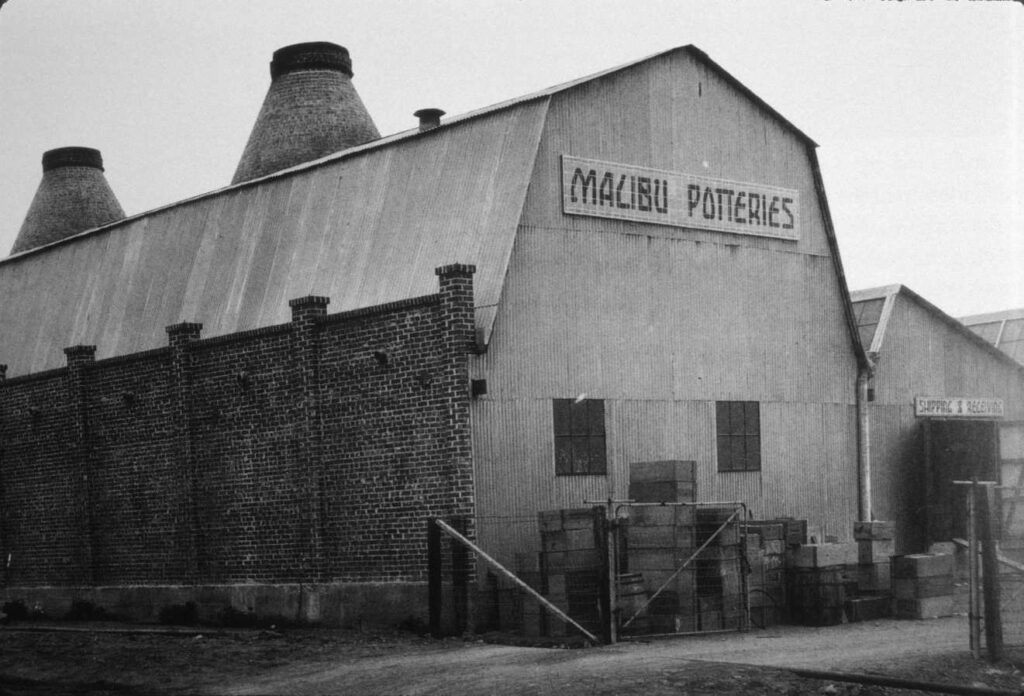
In 1926, Keeler was hired by May K. Rindge, a wealthy widow in Malibu, to build a tile pottery there on the beach, and for the next six years he managed the Malibu Potteries, producing some of the most beautiful tiles made in America. In addition to the Adamson House in Malibu, designated a Point of Historic Interest in 1985, Malibu tiles can be found inside Los Angeles City Hall for which the company produced twenty-three large decorative wall panels.
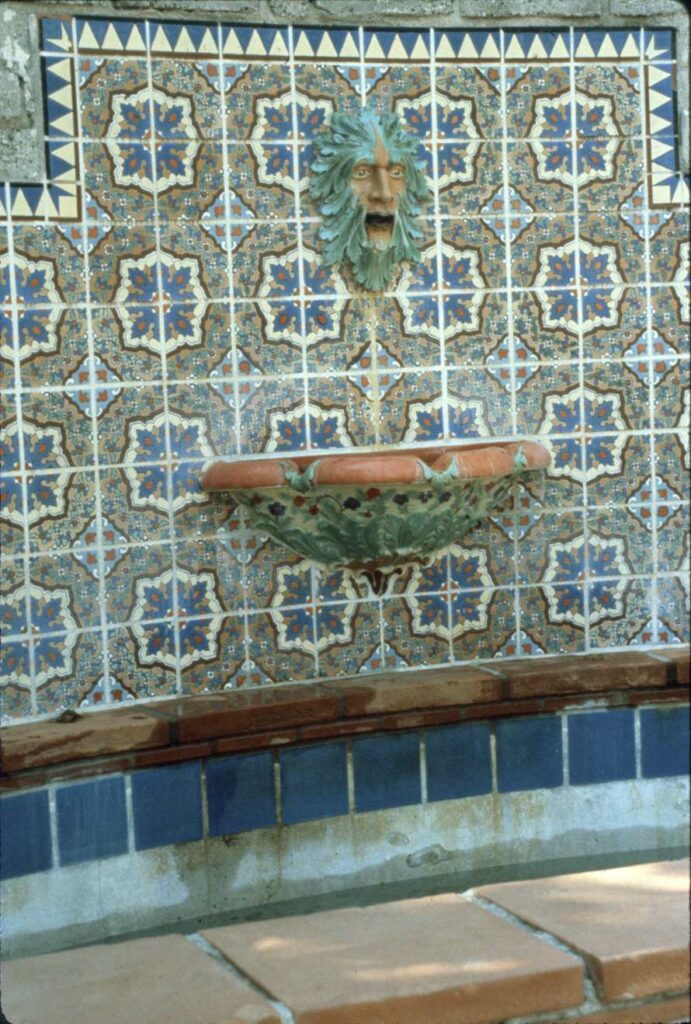

Among the handful of companies producing handcrafted tiles in northern California during this time were Solon & Schemmel and California Faience. The former was founded in 1920 in San Jose by Albert Solon (1887-1949) and Frank Schemmel (c. 1887-1950).
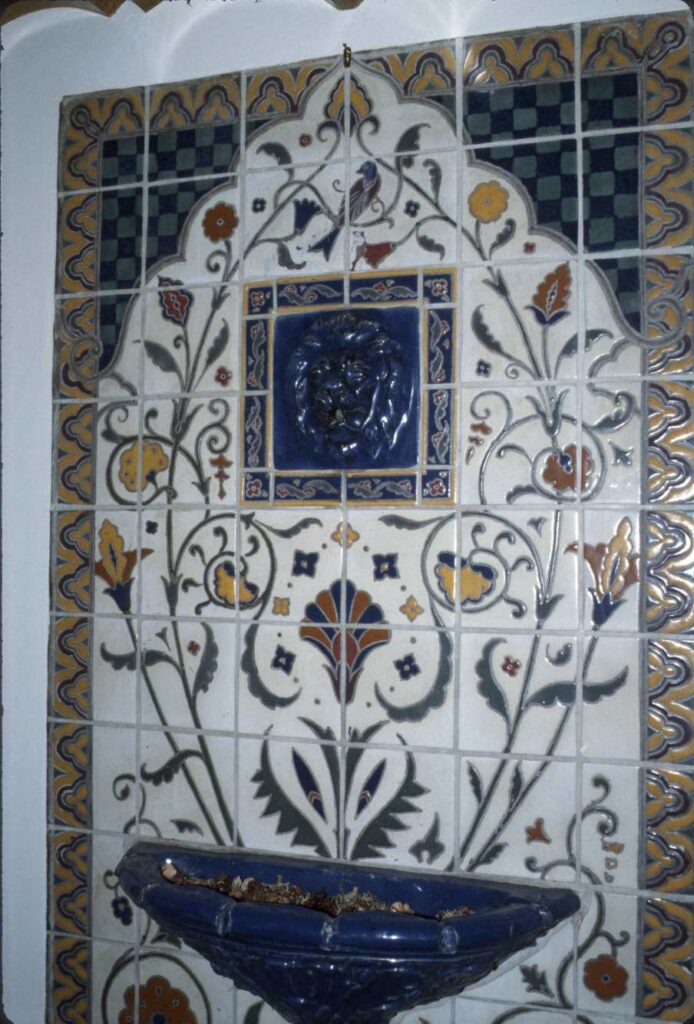
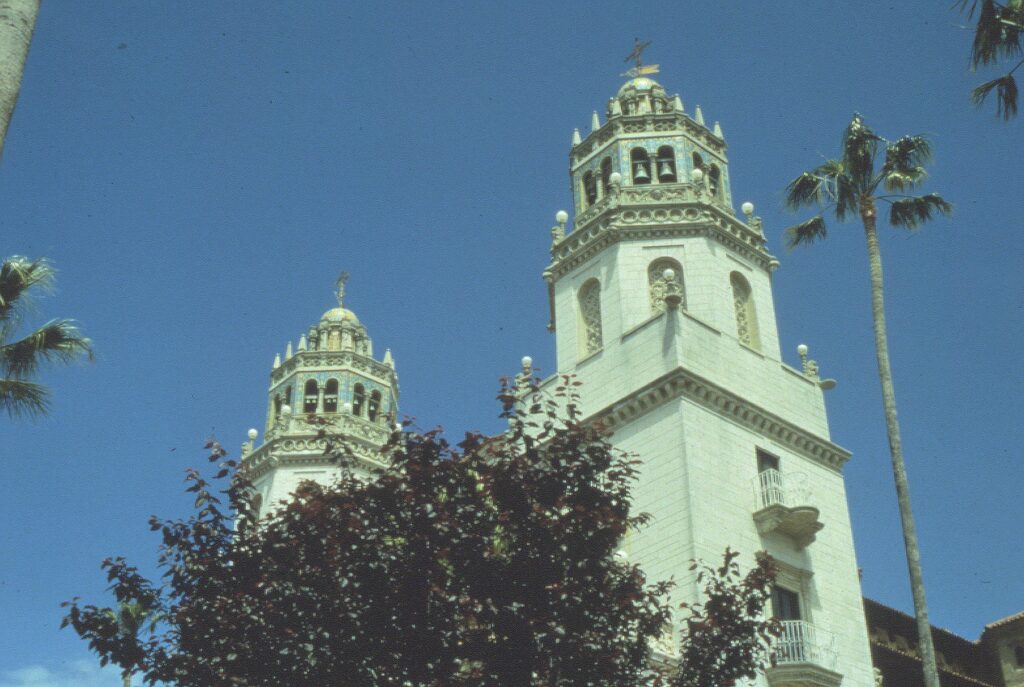
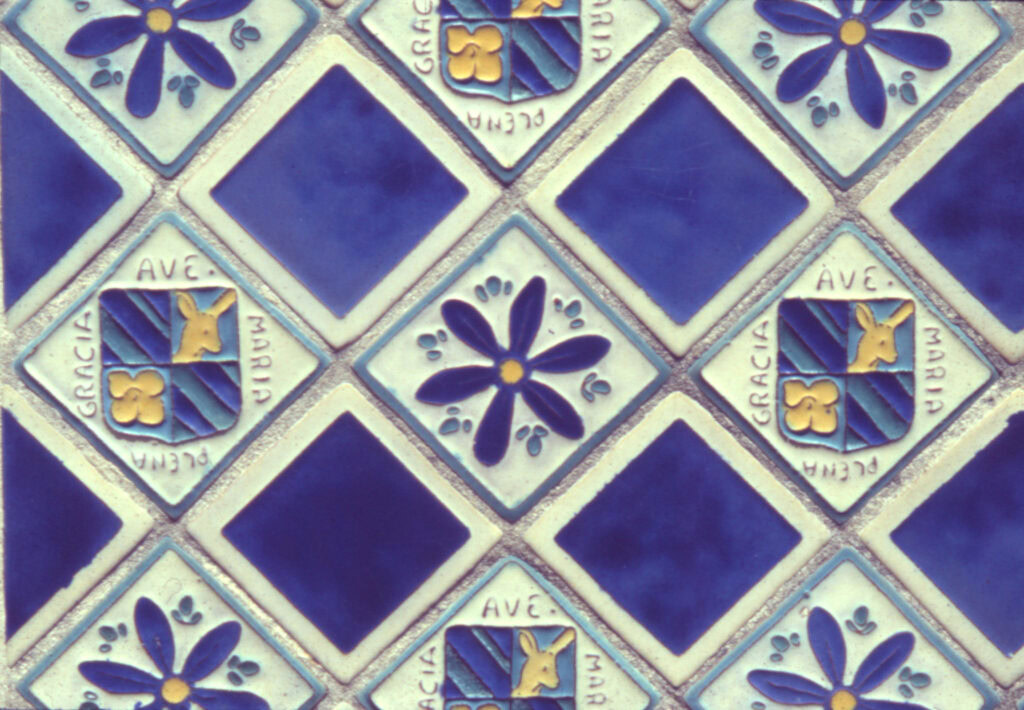
Schemmel came from a prominent local family; Solon, an Englishman, could trace his tile-making roots back to the early 17th century when, nestled in the Pyrenees in southern France, his ancestors had started a ceramics factory. The latter, California Faience, was founded in Berkeley five years earlier by William Bragdon (1884-1959) and Chauncey Thomas (1877-1950), both accomplished ceramists who had met while attending college at the New York State School of Clayworking and Ceramics at Alfred. Among the many installations of their tiles, the most prestigious was the palatial mansion of William Randolph Hearst at San Simeon, designed by architect Julia Morgan and built during the 1920s. Tiles are everywhere, both inside and out. Wall surfaces, floors, patio inserts, stair risers, friezes, chimney tops and towers, all create a striking display of pattern and color that enliven the whole environment.


The Great Depression of the 1930s all but eliminated the tile industry in the United States, and the factories that survived were soon converted to support the war effort well into the 1940s. After the war, tiles were in short supply, and factories were reestablished to meet the unprecedented postwar demand. But the times had changed; the flare of the 1920s and early '30s had expired. Tiles were once again being mass produced, this time in pastel colors and in standard sizes with only a minimal interest in design. Handcrafted tiles had all but disappeared.

Following a lapse of nearly thirty years, the handcrafted tradition in tile making resurfaced during the 1960s seemingly as an adjunct to contemporary pottery. There was a renewed focus on glaze treatments and surface textures, in earth tones and in the overall aesthetic of the tile. Tiles were promoted as architectural products and were used to clad the exterior of public buildings as well as the interiors of custom homes.


As the decade progressed, color became a more dominant concern. There was a move away from earth tones in favor of lighter, more neutral glaze colors. By the early '80s there evolved a preference for larger sizes and a cleaner, more pristine installation; imported tiles became particularly popular. Gradually, however, as the decade progressed, there was a renewed appreciation of individual craftsmanship and increasing numbers of handcrafted tiles appeared.

By 1990 a substantial market had been established. Most major cities had dealers specializing exclusively in high-end, handcrafted ware, and tiles were being promoted in the most imaginative of ways. No longer reserved for the walls, floors and counters in kitchens and bathrooms, tile had become a decorative art form in and of itself, its use limited only by one's imagination.

Imaginations were let loose in the 2000s with the introduction of the Internet, website potential and Facebook, providing unheard of opportunities for the hand crafters. But as virtually free exposure carried one’s images and messages around the globe, one’s competition was out there as well attracting the same clientele.

Tile manufacturers with sizable budgets, on the other hand, supported marketing departments with an international reach. The inevitable result in the U.S. has been dramatic increases in tile imports from Italy, Spain and Mexico.
The handcrafted tradition in tile making dates to prehistoric times when both women and men first recognized clay as a medium for artistic expression. By 2020 manufactured tiles dominated the industry, tiles from abroad as well as those produced in the U.S. There are several smaller manufacturers that have succeeded with their national marketing efforts that offer a variety of decorative platforms complementing their field tiles. Their capacities vary.
Of special importance, historic art tile traditions continue today in the U.S. There are two ‘working museums’ that have been producing tiles since the turn of the last century: Moravian Pottery and Tile Works in Doylestown PA, today under management of The TileWorks of Bucks County, and Pewabic Pottery in Detroit, MI.
Also of note, Rookwood Pottery has been revived in Cincinnati, OH and Fireclay Tile in Aromas, CA continues the art tile traditions of its forebears, Solon & Schemmel from the 1920s.

In addition, throughout the United States today there are thousands of tilemakers, artists and artisans, muralists and mosaicists alike, who operate in their backyards or small studios either alone or with a small crew and a clearly defined clientele. We wish them all well and encourage their engaging with the Tile Heritage Foundation.
Today, there is no question; history is being made.
Claim your place in history.
Protect your significant company stories and accomplishments for posterity with an archive file at THF.